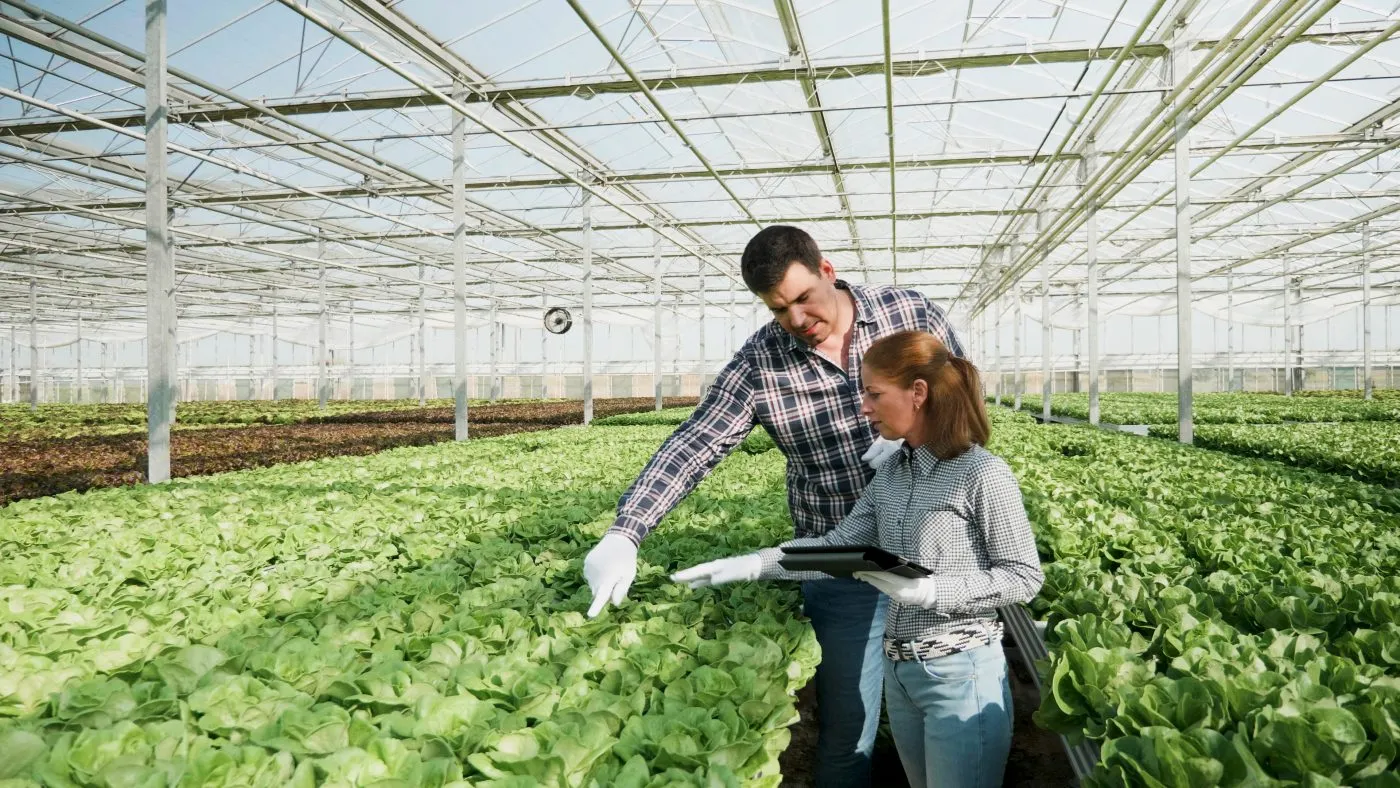
lettuce 1

Lettuce

Lettuce (Lactuca sativa) is one of the most widely cultivated leafy vegetables worldwide. It is an annual or biennial plant belonging to the Asteraceae family. Farmers widely cultivate it for its leaves, which are usually eaten fresh. Many varieties of lettuce vary in the shape, size, and color of the leaves.

Botanical characteristics

Lettuce belongs to the family Asteraceae and the genus Lactuca. The Lactuca sativa species encompasses various cultivars, including butterhead, iceberg, and romaine lettuce. Butterhead has soft, tender leaves and forms loose heads. Iceberg lettuce has crispy leaves and forms tight heads. Romaine has long, upright leaves and forms tight, but not compact, heads.

Physiological characteristics

Lettuce requires cool climatic conditions for optimal growth, with ideal temperatures ranging from 15°C to 20°C. It requires ample water and proper drainage to prevent diseases associated with excessive moisture. It is nutrient-demanding, especially in terms of nitrogen, which promotes leaf growth.

Morphological characteristics

The root system of lettuce is superficial and branched, allowing rapid absorption of water and nutrients. The stem is short and branched; in some varieties, it can be almost invisible as leaves cover it. Depending on the variety, the plant’s edible leaves can vary in shape and color. Typically, the leaves are large, smooth, or slightly rough.

Reproductive characteristics

Lettuce blooms on shoots that develop when the plant matures or is under environmental stress (such as high temperatures). The flowers are small and yellow, forming inflorescences. The fruits are small achenes, which contain a seed. The seeds are small and light, ideal for sowing directly in the ground or seedbeds.

Climate requirements

Lettuce is a vegetable that thrives in cool climates and has specific requirements for optimal growth.

Temperature

Lettuce grows best at temperatures between 15 and 20°C. The plant has specific requirements for growing in particular conditions. These temperatures promote the growth of tender and tasty leaves. Temperatures above 24°C can cause ‘bolting’ (flowering), negatively affecting the quality of the leaves. Temperatures below 5°C can slow the plant’s growth, while temperatures above 30°C can lead to bitter leaves and premature flowering.

Rainfall

Lettuce requires moderate rainfall, approximately 300–400 mm annually, to grow properly. Excessive rain can cause drainage problems and fungal diseases.

Sunlight

Lettuce requires full sunlight for optimal growth. It needs at least 6–8 hours of direct sunlight per day. Good exposure to sunlight enhances photosynthesis, resulting in healthy and flavorful leaves.

Wind

Mild wind is desirable, as it helps reduce leaf moisture and the risk of fungal diseases. Strong winds can cause physical damage to plants, such as tearing leaves. Windbreaks can protect plants from damage.

Moisture

Relative humidity should be moderate to high. Excessive moisture can lead to fungal diseases, while low humidity can cause dehydration and stress in plants.

Soil requirements

Growing lettuce requires specific soil conditions to ensure optimum growth and yield. Lettuce thrives best in soils that are well-drained and rich in organic matter. Sandy loam and clay loam soils are considered ideal for growing. Heavy clay soils with poor drainage are unsuitable, as they cause drainage problems and can lead to root rot and the development of diseases. Lettuce prefers soils with a slightly acidic to neutral pH, ideally between 6.0 and 7.0. In cases where the pH is too low (acidic), growers can add lime to raise it. Conversely, growers can add sulfur to lower a pH that is too high (alkaline).

Soil preparation

Cultivation and tillage: To loosen and aerate the soil, farmers should cultivate it to a depth of 20-30 cm. Tillage helps break up clods and smooth the soil’s surface. Before sowing, farmers should clear the soil of stones, weeds, and other debris.

Fertilization: Basic fertilization before sowing involves applying nitrogen, phosphorus, and potassium to the soil. The required quantities of nutrients should be determined through soil diagnostic analyses. Fertilizers can be applied through drip irrigation or by incorporating granular fertilizers into the soil before sowing.

Basic Fertilization

Proper basic fertilization is critical for healthy growth and high lettuce yield. Plants require different amounts of nutrients, as each one plays a specific role in their development.

  • Nitrogen (N)

    Nitrogen is essential for chlorophyll synthesis, leaf growth, and overall plant growth; it is typically applied in doses throughout the growing season, with a focus on periods of vigorous growth.

  • Phosphorus (P)

    Farmers apply phosphorus primarily before planting and at the beginning of the growing season.

  • Potassium (K)

    Potassium helps regulate plant water, enhances disease resistance, and improves leaf quality. It is mainly applied during leaf growth to improve quality and hardiness.

  • Calcium (Ca)

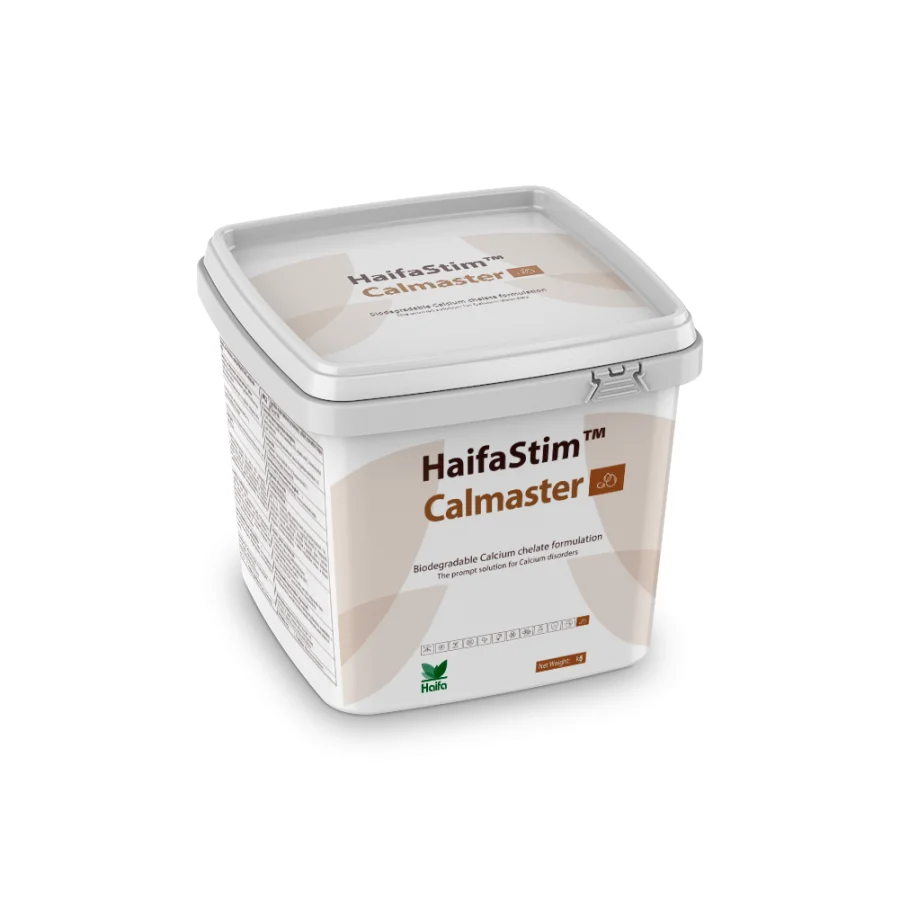
    Calcium is essential for cell wall growth and helps prevent diseases such as abnormal leaf growth. Farmers typically apply it as calcium sulfate or calcium nitrate, either in the soil or through foliar applications.

  • Magnesium (Mg)

    Magnesium is a vital component of chlorophyll and is essential for the process of photosynthesis. Farmers typically apply magnesium sulfate to the soil or use it through foliar sprays.

  • Sulfur (S)

    Plants synthesize amino acids and proteins using sulfur, which growers can apply as ammonium or potassium sulfate.

  • Micronutrients

    Zinc (Zn) is essential for the synthesis of enzymes and the regulation of growth. Cell wall development and flowering depend on boron (B). Iron (Fe) is necessary for chlorophyll synthesis and respiration. Copper (Cu) is vital for cell wall growth and defense against disease.

Recommended nutrition products

Foliar applications

Foliar fertilization is an effective method for delivering nutrients directly to a plant’s leaves. This practice is particularly useful in lettuce, as it helps to correct nutrient deficiencies immediately and enhances growth and production. The advantages of foliar fertilization in lettuce are the immediate uptake of nutrients and improved plant resistance to disease and environmental stress. The evidence for transhumance applications is

  • Nitrogen (N) is essential during active leaf growth, especially in spring.
  • Phosphorus (P) is essential during root development and the beginning of leaf growth.
  • Potassium (K) improves quality and hardiness during leaf development.
  • Magnesium (Mg) is essential during the period of intense photosynthesis.
  • Micronutrients (Zn, Mn, B, Fe) are essential during active leaf development and flowering.

The best times for foliar applications are early morning or late afternoon, when the temperature is lower and the humidity is higher, avoiding times of intense sunshine.

Drip irrigation

Drip irrigation is a highly efficient practice in lettuce cultivation, as it delivers nutrients directly to the rhizosphere through the irrigation water. This process optimizes the use of fertilizer, uniformizes plant growth, and improves the overall quality of production.

The primary nutrients supplied through fertigation are:

  • Nitrogen (N): essential throughout the cultivation cycle, especially during periods of intensive leaf growth.

  • Phosphorus (P) is essential for the initial development of a plant’s root system.

  • Potassium (K) enhances the quality, color, and resistance of leaves.

  • Calcium (Ca) helps prevent physiological disorders, including tip burn.

  • Magnesium (Mg) supports photosynthesis, especially during periods of rapid plant growth.

  • Micronutrients such as boron (B), zinc (Zn), manganese (Mn), iron (Fe), and molybdenum (Mo) help prevent nutrient deficiencies and support plant metabolism.

Drip irrigation offers significant advantages in lettuce cultivation. It ensures targeted and immediate nutrient supply, contributing to improved leaf quality and higher yields. At the same time, it allows for more efficient use of fertilizers and water while reducing the risk of nutrient deficiencies and physiological disorders.

Download the complete Cultivation Plan!

The doses and growth stages mentioned are indicative and are always adjusted according to the recommendations of the agricultural consultant. Because rational fertilization is always assessed in relation to:

  • Expected yield
  • Soil characteristics
  • Planting density
  • Environmental conditions
  • Growth stage
  • Plant vigor
  • Cultivation duration
  • Hybrid
Scroll to Top