Mask group 3

Kiwi

Kiwi fruit (Actinidia deliciosa) is a deciduous climbing plant that thrives in mild climates and well-drained soils.

Physiological Properties:

Foliage: Kiwi leaves are large, heart-shaped, and bright green. They are deciduous, meaning they shed their leaves in winter and regrow them in spring. The surfaces of the leaves are slightly hairy and have serrated edges.

Stem: The kiwi is a climbing plant that can reach heights up to 9 meters. Its woody shoots grow with the assistance of trellises or other supports. They are also very hairy and have a red tinge in their young parts.

Morphological Characteristics

Flowers: Kiwi flowers are white to creamy, fragrant, and appear in spring. They are dioecious, meaning there are separate male and female flowers. Male flowers have numerous stamens, while female flowers possess a large ovary and fewer stamens that do not produce pollen.

Fruits: Kiwi fruits are oval and covered with brownish, hairy skins. They contain green flesh with tiny black seeds. The flesh is juicy and sweet, with a slightly sour taste. The average diameter of the fruit is 4–5 cm, and its weight ranges from 70 to 150 g.

Reproductive characteristics

Insects, mainly bees, pollinate the kiwi. Successful fruit production requires the presence of both male and female plants in the same orchard. Male plants provide the pollen necessary for fertilizing female flowers.

Climate requirements

Growing kiwi requires specific climatic conditions to achieve high yields and produce quality fruit.

Temperature

Kiwifruit grows best at temperatures between 12°C and 29°C. The ideal temperatures during the growing season are 24°C to 27°C during the day and 12°C to 15°C at night. Low temperatures, especially frosts, can cause severe damage to kiwi plants. Young plants and flowers are susceptible to spring frost. Temperatures below -2°C can destroy flowers and reduce production. Conversely, temperatures above 30°C for prolonged periods can cause problems such as sunburn on leaves and fruits and reduce fruit quality.

Rainfall

Kiwis require excellent water management. Ideally, areas with moderate to high rainfall (800-1200 mm per year) are suitable for cultivation. Excessive rain, however, can cause drainage problems and promote the development of diseases.

Sunlight

Kiwis require ample sunlight for optimal growth. Around 8–10 hours of sunshine per day is ideal for producing high-quality fruit. Plants must be exposed to sunlight uniformly. Proper pruning and crown management help ensure that leaves and fruits are exposed to light.

Wind

Kiwi plants are sensitive to strong winds, which can cause physical damage to leaves and fruit, as well as loss of flowers.

Moisture

Kiwis prefer areas with high air humidity. A humidity range of 70–80% is ideal for plant growth. Low humidity can cause dehydration and stress in plants, while excessive moisture can increase the risk of fungal diseases.

Soil requirements

Kiwifruits thrive in well-drained soils with a pH of 5.5-7.0. They prefer slightly acidic to neutral soils and grow best in sandy or sandy loam soils. Heavy, clayey, and poorly drained soils are unsuitable for growing kiwifruit. Alkaline soils with a pH of more than 7.5 can cause problems with nutrition and growth. Kiwi prefers well-drained soils, such as sandy or sandy loam soils. Soils should be rich in organic matter to improve the structure and water-holding capacity.

Soil preparation

Farmers must cultivate the soil at a depth of 40–50 cm to ensure good aeration and root development. The incorporation of organic matter, such as compost or digested manure, is necessary because it enhances the soil’s structure and improves its ability to retain water and nutrients.

Nutrient requirements

Kiwis have specific nutrient requirements to achieve high productivity and fruit quality. By following these guidelines, we can ensure healthy growth and high kiwifruit yield.

Basic Fertilization

Basic fertilization is necessary to prepare the soil before planting the kiwifruit. Manure or organic matter is typically applied to enhance the soil’s structure and increase its fertility. Basic fertilizers, such as phosphorus (P) and potassium (K), are also recommended to improve rooting and plant growth.


  • Nitrogen (N)

    Nitrogen is essential for the growth of shoots and leaves.

  • Phosphorus (P)

    Phosphorus aids in both rooting and flowering.

  • Potassium (K)

    Potassium enhances plant resistance to disease and fruit quality.

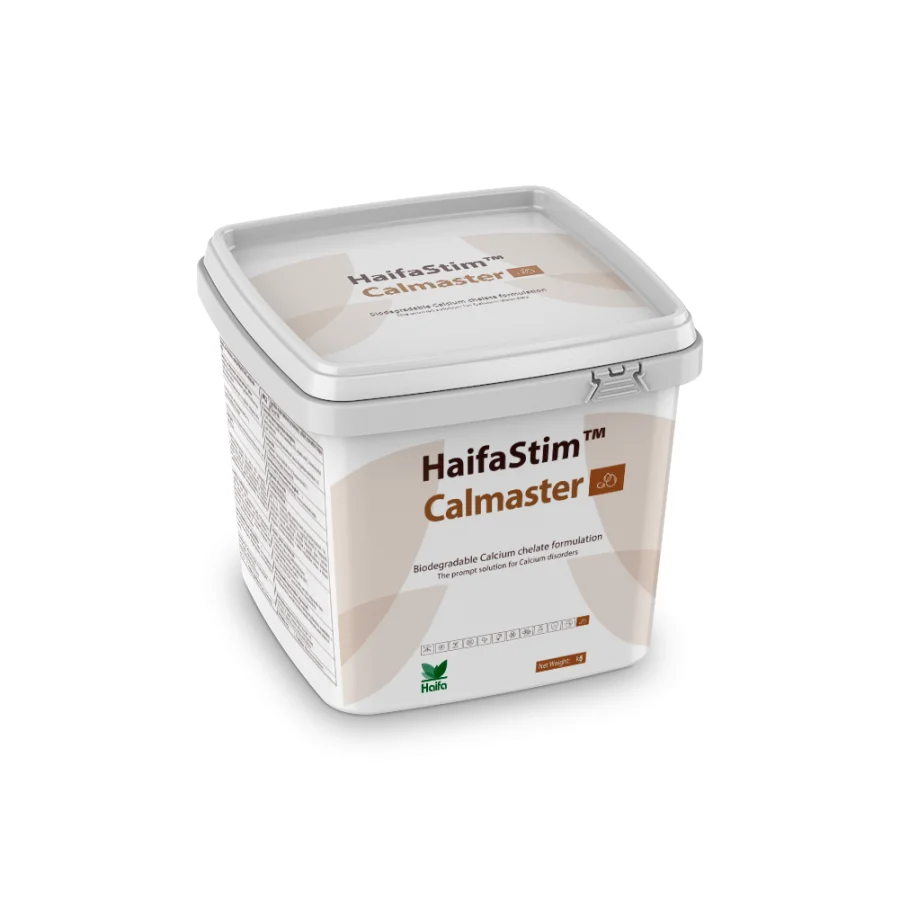
  • Calcium (Ca)

    Calcium is vital for cell structure and fruit strength.

  • Magnesium (Mg)

    Magnesium is essential for photosynthesis and the growth of leaves.

  • Zinc (Zn)

    Zinc is vital for enzyme production and protein synthesis.

  • Manganese (Mn)

    Manganese is essential for the production of enzymes and protein synthesis.

Recommended nutrition products

Foliar applications

Foliar applications provide nutrients directly to plants, addressing potential deficiencies. For kiwifruit, foliar applications of zinc (Zn) and manganese (Mn), which are essential for fruit growth and development, are recommended. Care must be taken to ensure the correct concentrations of nutrients, and applications should be avoided during high sunshine to prevent leaf burns.

The advantages of foliar application are

  • Rapid absorption: Transboundary fertilization enables the direct delivery of nutrients to plants, thereby bypassing the slow absorption process in soil.
  • Addressing deficiencies: It is particularly effective for rapidly addressing micronutrient deficiencies that may adversely affect growth and production.
  • Avoiding soil problems: Foliar fertilization may be the only solution in soils with pH problems or other conditions that limit absorption.

Apply foliar fertilization regularly, typically every 15-20 days, during the active growth period.

Ideal times for application are in the morning or late afternoon; avoid times of high sunshine to prevent the leaves from burning.

Drip irrigation

Drip irrigation involves providing nutrients through the irrigation system. It is particularly effective for kiwifruit, as it ensures an even distribution of nutrients. Farmers must include the main elements in drip irrigation, which are nitrogen (N), phosphorus (P), potassium (K), magnesium (Mg), and calcium (Ca). To avoid toxicity or inadequate nutrition, it is essential to guarantee the correct balance of elements and frequency of application.

Download the complete Cultivation Plan!

The doses and growth stages mentioned are indicative and are always adjusted according to the recommendations of the agricultural consultant. Because rational fertilization is always assessed in relation to:

  • Expected yield
  • Soil characteristics
  • Planting density
  • Environmental conditions
  • Growth stage
  • Plant vigor
  • Cultivation duration
  • Hybrid
Scroll to Top